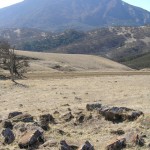
The Volvon were one of the Bay Miwok tribelets living in Contra Costa County at the time of European contact. They were a hill people based in the rugged Black Hills southeast of Mt. Diablo. The mountain itself was in Volvon hands. It had been the home of the supernatural First People, who created Indians and their world, and was a spiritual focus for nearly every tribe that could see it. Shamen and religious leaders went to the mountain to pray. Everyday people would visit its slopes for intertribal festivals. This meant the Volvon must have been a prosperous people. One did not just sashay into Volvon territory without bearing tribute for the privilege. Imagine the trade goods the Volvons acquired this way. They were regular participants in regional trade festivals hosted by their Ohlone neighbors, the Ssaoams, at the Brushy Peak trading grounds not far from the Altamont Pass. The Volvons’ preeminent position at the crossroads of Central California no doubt made them a sophisticated and cosmopolitan people.
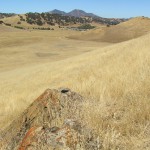
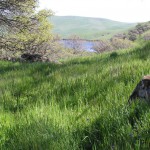
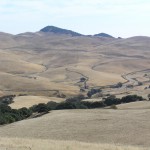
That Volvons were active traders does not mean their territory was short on natural resources. The name ‘Volvon’ itself roughly translates as “natural springs,” which befits a triblet based in the Black Hills where the headwaters of a number of perennial creeks rise. The highland heart of Volvon territory today is rich in oak, pine, and manzanita. Mount Diablo is home to a number of endemic plant species–rare resources controlled by Volvons. Open rangelands, now mostly overrun with nonnative grasses, must once have been covered with food-bearing plants. Deer, elk, and antelope were no doubt abundant in the lighly settled ridges and valleys on the eastern side of the territory.
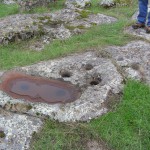
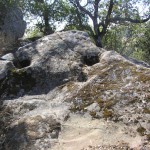
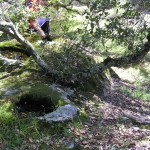
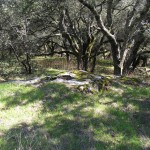
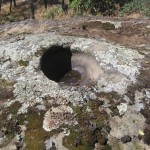
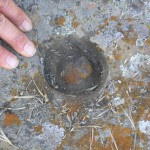
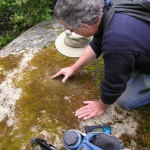
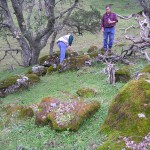
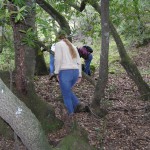
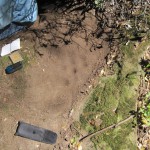
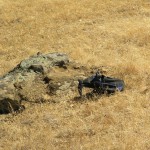
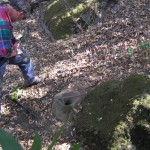
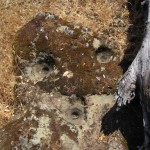
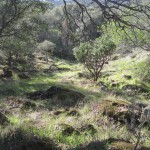
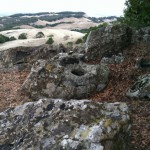
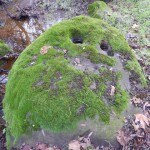
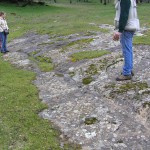
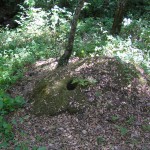
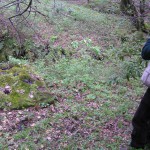
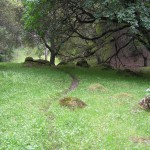
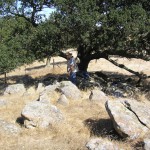
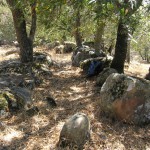
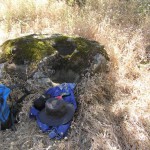
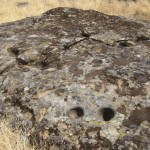
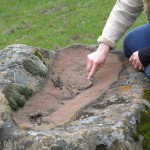
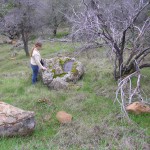
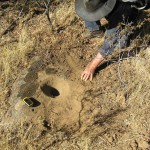
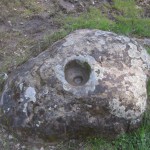
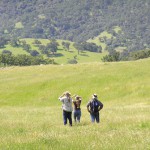
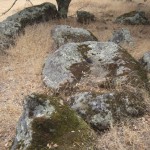
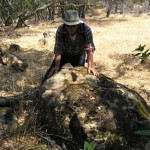
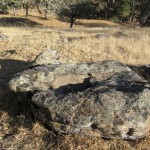
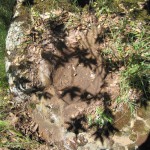
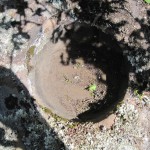
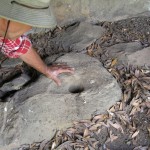
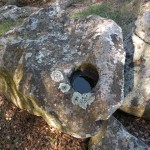
Volvon territory gives every appearance of once having supported a substantial population. We have discovered 81 bedrock mortar sites, and over 2,100 bedrock mortars. Each site carries its own sense of place and is an individual window into the past. As you walk the paths that connect these sites and build up a richer mental map and sense of the landscape, you may acquire a feeling for the possibilities of life in Volvon territory in the not so distant past.
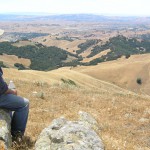
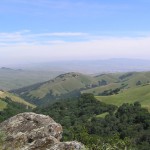
There are magical and metaphysical powers associated with Mt. Diablo and the Black Hills. Go there now and experience its effect on your perspective. Steep yourself in prehistory. The Spanish extirpated the Volvons from their homeland 200 years ago, but physically, their territory remains virtually intact today. The land still has a life of its own.
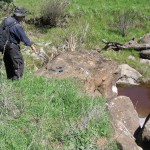
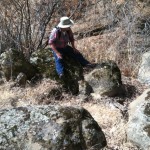
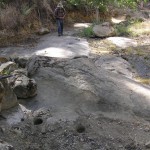
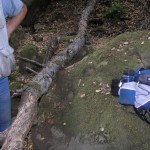
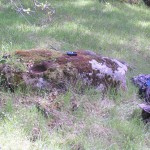
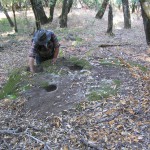
Upper Pond Village Creek10 bedrock mortars and 10 cupules.Elevation 1888 ft.This site sits beside the creek that flows down to the Pond Village. One of the mortars here is on a nice, flat slab in the creekbed.All ten cupules are on this rock, although it’s hard to make them out in this picture. Two are […]
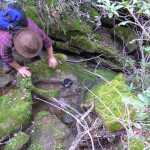
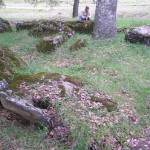
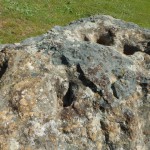
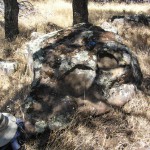
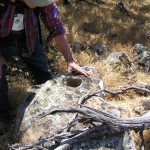
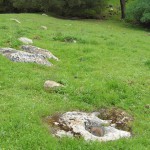
Lower North Blue Oak3-4 possible bedrock mortarsElevation 2041 feetIt’s hard to tell sometimes if a hole in a rock has been worked or is just a natural feature.
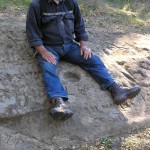
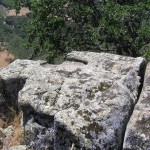
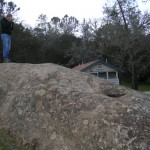
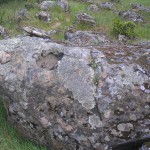
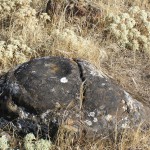
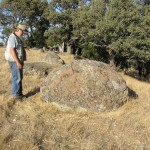
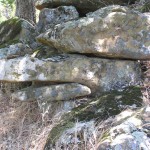
Silva Creek.2 bedrock mortars on a single rock.Elevation 905 ft.Silva Creek is the next tributary of Kellogg Creek south of Mallory Creek.It’s hard to imagine this being a congenial year-round habitation, but someone spent time here long ago.This rock has tipped over. The mortar-bearing surface was once horizontal and level.
Upper Whipsnake Trail2 bedrock mortars and a metateElevation 2002 ft.Alex discovered these mortars on his way back from a visit to the Volvon Village.The mortars here don’t fall into the “no doubt about it” category, but Doc Hale has given them his stamp of approval.
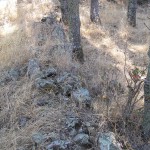
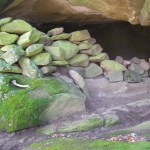
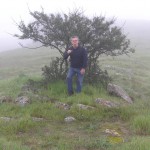
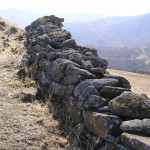
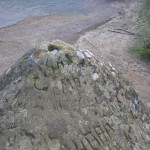
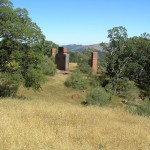
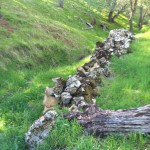
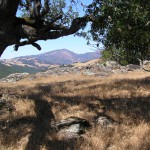
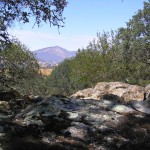
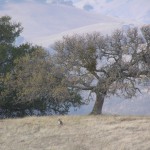
Clayton Ranch TsektselProbable Prayer Circle (tsektsel)Elevation 1520 ft.The prayer circle is a ruin today–its once-stacked rocks likely knocked about by grazing cattle. Mt. Diablo is still there though.
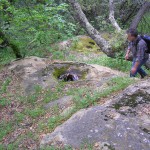
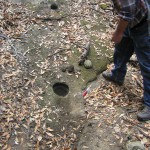
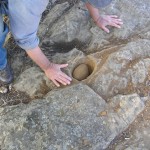
Intersection of Devils Slide Trail and Trail Through TimeOne bedrock mortar. Possible housepit nearby.Deep in the canyon below a sulphur spring sits a single cone-shaped mortar. Did a family live here? A single person? Or was this a “traveler’s rest” site?Closeup of the mortar.
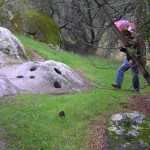
Lower Village OverlookOne bowl-shaped mortar about 7″ in diameter.One larger bowl mortar with a V-shaped cone mortar inside it.Both mortars on one rock.We call this area overlooking the Lower Volvon Village “Louise’s Shelf” in honor of Louise Lacey, whose interest in power spots in the East Bay led us to this site and others nearby.This […]